 ultimate-guide
Cost of Exterior House Painting: 2026 Guide
Table of Contents
- Average Cost of Exterior House Painting
- Factors Affecting House Painting Prices
- Cost Per Square Foot Breakdown
- Labor vs. Material Cost Breakdown
- How Long Does Exterior Painting Take
- Getting an Accurate Exterior House Painting Estimate
- Exterior Painting Preparation Steps
- Professional Exterior Painting vs. DIY Cost Comparison
Last Updated: August 29, 2026
Average Cost of Exterior House Painting
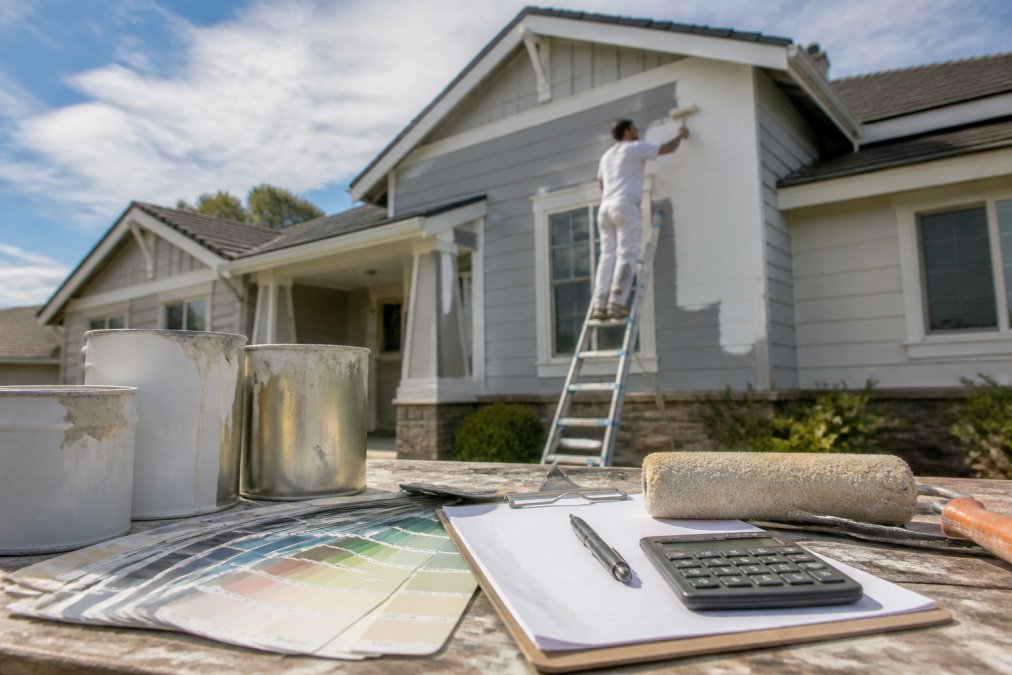
The cost of exterior house painting varies significantly based on home size, condition, and local market factors. For most residential properties, homeowners can expect to invest anywhere from a few thousand dollars to substantially more, depending on the scope of work required. Understanding what drives these costs helps you budget accurately and avoid surprises when contractors submit their estimates.
The primary cost driver is square footage. A smaller home requires less paint, fewer materials, and shorter labor time than a larger one. Beyond size, the condition of your exterior surfaces, whether they need repairs, how much prep work is necessary, and the complexity of your home's architecture, all influence the final price. Local weather conditions also play a role, as homes in certain climates require more durable paint formulations or more frequent repainting.
Getting multiple estimates from reputable local contractors is the best way to understand what your specific project will cost. Each estimate should break down labor, materials, and any additional services like surface preparation or repairs.
Factors Affecting House Painting Prices
Home Style and Complexity
Your home's architectural style significantly impacts the cost of exterior house painting. A simple ranch-style home with straightforward siding costs less to paint than a two-story Victorian with multiple roof lines, dormers, and decorative trim. Homes with stucco exteriors, wood siding, brick, or mixed materials each require different preparation techniques and paint types, which affects both labor time and material costs.
Complexity also includes features like eaves, fascia, soffits, and trim work. Detailed woodwork requires more careful brushwork and takes longer than flat wall surfaces. Homes with multiple levels or steep roofs require additional safety equipment and precautions, which contractors factor into their pricing. A home with extensive trim work, multiple gables, or architectural details will cost more per square foot than a simple, single-story structure.
The number of stories matters too. Two-story homes require scaffolding or lifts for safe access to upper sections, adding to labor costs. Single-story homes are faster and safer to paint, which is reflected in lower labor rates.
Surface Preparation and Hidden Repairs
Surface preparation is where many painting projects reveal hidden costs. Before any paint touches your exterior, surfaces must be cleaned, inspected, and repaired. Pressure washing removes dirt, mildew, and loose paint, but this step is essential for paint adhesion and longevity. If your contractor discovers rotted wood, damaged siding, or structural issues during inspection, those repairs must be completed before painting begins.
Lead-based paint is a concern on older homes. If your home was built before 1978, lead paint may be present (the EPA). Professional contractors follow strict protocols for lead paint remediation, which adds time and cost but is legally required and essential for safety. Caulking gaps between siding boards and around trim prevents water intrusion and is a critical preparation step that many homeowners underestimate.
Wood rot repair is common on homes with older siding or poor drainage. Rotted sections must be replaced or treated before painting. Damaged fascia boards, rotting eaves, or compromised trim all require repair work that extends the project timeline and increases costs. A thorough inspection before painting prevents costly surprises and ensures the final paint job lasts as long as intended.
Local Weather and Paint Durability
Weather conditions in your area influence both paint selection and durability expectations. Homes exposed to intense sun, high humidity, salt air, or extreme temperature swings require premium paint formulations designed to withstand these conditions. Paint quality directly affects how long your paint job lasts before needing repainting.
Local climate also affects application conditions. Painters must work within specific temperature and humidity ranges for proper paint curing. Days that are too hot, too cold, or too humid delay projects, which can increase labor costs. Homes in areas with significant seasonal variation may need paint that expands and contracts without cracking.
The durability of your paint job depends partly on the environment. A home in a dry climate with moderate temperatures might see a paint job last 7-10 years or longer (the EPA). Homes in humid coastal areas or those with intense sun exposure may need repainting every 5-7 years. Investing in higher-quality paint and proper preparation extends the life of your exterior painting, making it a cost-effective choice over time.
Cost Per Square Foot Breakdown
The cost per square foot for exterior house painting is a useful metric for comparing estimates, though it varies based on the factors discussed above. This metric helps you understand whether a quote is reasonable for your specific project.
Simpler projects with minimal prep work and straightforward surfaces typically fall at the lower end of the range. Homes requiring extensive surface preparation, repairs, or featuring complex architectural details cost more per square foot. The type of paint selected also affects this cost, premium exterior paints cost more than standard formulations but provide better durability and coverage.
When evaluating cost per square foot, ensure you understand what's included. Some contractors include surface preparation, caulking, and primer in their per-square-foot pricing. Others quote these as separate line items. A detailed estimate that breaks down labor, materials, and services allows you to compare quotes accurately across different contractors.
| Surface Type | Preparation Needs | Typical Complexity | Labor Intensity |
|---|---|---|---|
| Wood Siding | Caulking, primer needed | Moderate | Moderate |
| Vinyl Siding | Pressure washing, minimal repair | Low | Low |
| Stucco | Surface inspection, patching | High | High |
| Brick | Sealing, limited paint adhesion | Moderate | Moderate |
| Composite Materials | Cleaning, primer application | Moderate | Moderate |
Understanding these breakdowns helps you see why different surfaces command different pricing. Stucco and brick, for example, require more specialized knowledge and preparation than vinyl siding.
Labor vs. Material Cost Breakdown
Labor typically represents 70-80% of the total cost of exterior house painting, while materials account for 20-30% (bls.gov). This ratio reflects the skilled work required to prepare surfaces, apply paint properly, and achieve a professional finish.
Material costs depend on paint quality, coverage area, and the number of coats needed. A quality exterior paint covers more area per gallon and lasts longer than budget options, making it more cost-effective despite higher upfront expense. Primer, caulk, and protective coverings add to material costs but are essential for a lasting finish.
Labor costs reflect the complexity of your project, the contractor's experience level, and local market rates. Experienced contractors who deliver consistent, high-quality results typically charge more than less-established painters. However, their work often lasts longer and requires fewer touch-ups, making the investment worthwhile.
The breakdown varies by project. A straightforward single-story home with simple surfaces might have a different labor-to-material ratio than a complex multi-story home with extensive trim and repairs. When comparing quotes, ask contractors to itemize labor and materials separately so you understand where your money is going.
How Long Does Exterior Painting Take
The timeline for exterior house painting depends on home size, weather conditions, and the scope of preparation work required. Most residential painting projects take anywhere from several days to a few weeks, with larger or more complex homes taking longer.
Surface preparation often takes as long as or longer than actual painting. Pressure washing, caulking, siding repairs, and primer application must be completed before the finish coat goes on. Weather delays are common, painters cannot work in rain, excessive heat, or cold, so your project timeline may extend beyond the initial estimate.
For a typical 2,000-square-foot home with moderate preparation needs, expect the painting phase itself to take 5-10 working days. Add several additional days for prep work and potential weather delays. The contractor should provide a realistic timeline during your initial estimate, accounting for the complexity of your specific project and current weather patterns.
Getting an Accurate Exterior House Painting Estimate
A thorough estimate is your roadmap to understanding the true cost of your project. When requesting estimates, provide contractors with detailed information about your home, square footage, number of stories, current paint condition, and any visible damage or repair needs.
The best estimates include a site inspection where the contractor assesses your home's condition, identifies potential issues, and clarifies the scope of work. During this inspection, they can spot problems like wood rot, lead paint, or structural damage that will affect pricing. A contractor who takes time for a thorough inspection is more likely to provide an accurate estimate than one who quotes over the phone.
Ask each contractor to include the following in their estimate: surface preparation details, primer application, number of paint coats, paint brand and quality level, labor timeline, warranty information, and any additional services like caulking or minor repairs. Comparing detailed estimates allows you to make an informed decision rather than simply choosing the lowest price.
Be wary of estimates that seem significantly lower than others. Unusually cheap quotes often indicate shortcuts like skipping primer, using low-quality paint, or underestimating prep work. These shortcuts lead to poor durability and early repainting, costing you more in the long run.
Exterior Painting Preparation Steps
Pressure Washing and Surface Inspection
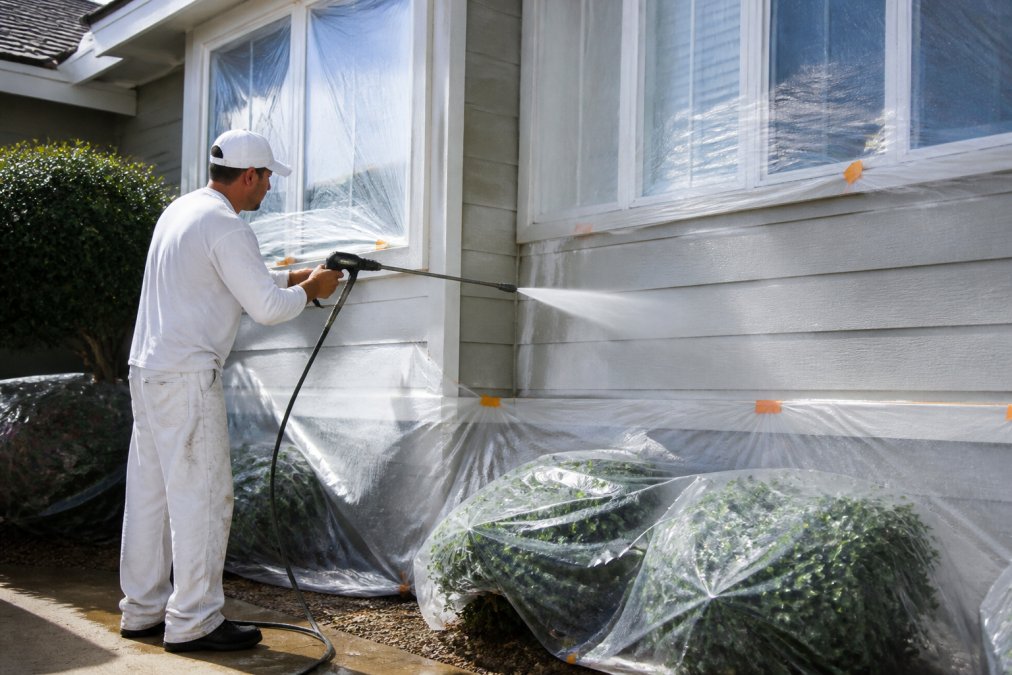
Pressure washing removes dirt, mildew, loose paint, and debris from your home's exterior. This step is critical for paint adhesion, paint cannot stick properly to dirty or contaminated surfaces. Professional pressure washing uses appropriate water pressure for your specific siding type to avoid damage while effectively cleaning the surface.
During pressure washing, contractors inspect the exterior closely for damage. Soft spots in wood siding indicate rot. Cracks in stucco may need patching. Peeling or flaking paint must be removed down to bare surface. This inspection phase often reveals hidden problems that affect the project scope and timeline.
Surface inspection is where experienced contractors earn their value. They identify issues that affect paint longevity and project success. A thorough inspection prevents surprises during the painting process and ensures the final result meets your expectations.
Caulking, Siding Repair, and Primer Application
Caulking seals gaps between siding boards and around trim, preventing water intrusion that causes rot and mold. Exterior-grade caulk is flexible enough to expand and contract with temperature changes without cracking. Proper caulking extends the life of your paint job significantly.
Siding repair addresses damage discovered during inspection. Rotted wood sections are replaced or treated. Damaged vinyl siding panels are replaced. Cracked stucco is patched. These repairs must be completed before painting begins, as paint cannot adhere properly to damaged or compromised surfaces.
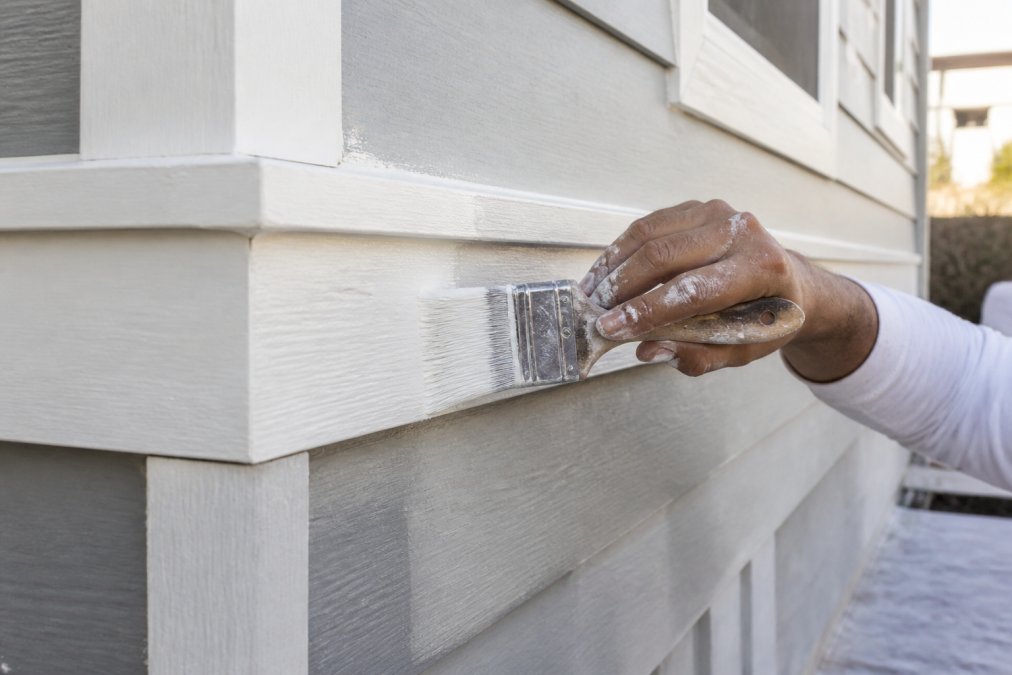
Primer application prepares surfaces for the finish coat and improves paint adhesion. Primer fills small imperfections, seals stains, and provides a uniform base for the finish paint. On bare wood or previously painted surfaces, primer is essential for durability. Some surfaces, particularly those with stains or significant color changes, require primer to ensure the finish coat covers properly.
Professional Exterior Painting vs. DIY Cost Comparison
DIY exterior painting saves labor costs but requires significant time, equipment, and skill. Homeowners considering the DIY route should understand the true costs and challenges involved.
Equipment rental for scaffolding, lifts, or pressure washers adds up quickly. Safety equipment, ladders, and painting supplies represent additional expenses. Most importantly, DIY projects take substantially longer than professional work, what a contractor completes in a week might take a homeowner several weekends or longer. If your time has value, the labor savings diminish rapidly.
Quality is another consideration. Professional painters have years of experience applying paint smoothly, avoiding drips and brush marks, and achieving even coverage. Achieving professional results requires practice and skill. A poorly executed DIY paint job may need repainting within a few years, eliminating any cost savings.
Paint durability also suffers from improper preparation or application. Skipping primer, inadequate surface prep, or applying paint in unsuitable weather conditions shortens the life of your paint job. Professional contractors follow best practices that maximize durability, protecting your investment longer.
For most homeowners, hiring a professional contractor is the better choice. The cost difference between DIY and professional work is often smaller than homeowners expect, especially when accounting for equipment rental, materials, and the time required. Professional work comes with warranties and guarantees that protect your investment.
Planning an exterior painting project requires understanding the costs involved and the factors that influence them. Surface condition, home complexity, local weather, and material quality all affect your final investment. Getting detailed estimates from experienced local contractors helps you budget accurately and avoid surprises. California Crews / Painting & Fencing Modesto specializes in exterior house painting with thorough surface preparation, quality materials, and professional application techniques that ensure your paint job lasts. Contact the team for a detailed estimate tailored to your home's specific needs and condition.
Frequently Asked Questions
Q: How much should exterior house painting cost for a 2,000 square foot home?
A: Total cost depends on several factors including home style, surface condition, paint quality, and local labor rates. A 2,000 square foot single-story home typically requires less scaffolding and labor time than a two-story structure of the same size. Your actual quote will reflect your specific home's complexity, whether siding repair or wood trim replacement is needed, and current material prices. Contact a local professional for a detailed estimate based on your property.
Q: What factors influence exterior house painting prices most?
A: The biggest cost drivers are home style (Victorian homes with detailed trim cost more than Ranch-style), surface preparation needs (pressure washing, caulking, siding repair), and paint quality. Local weather affects durability expectations and product selection. Two-story homes require more labor and equipment than single-story. Lead-based paint remediation, wood rot repair, and permit fees add hidden costs. Professional painters adjust pricing based on these variables, not just square footage.
Q: Is it cheaper to paint a one-story or two-story house?
A: One-story homes are typically cheaper to paint because they require less scaffolding, fewer safety precautions, and less labor time. Two-story homes involve higher equipment costs, longer project duration, and increased labor rates for working at heights. Surface area alone doesn't determine price; accessibility and safety requirements matter significantly. A professional estimate will clarify the labor and equipment differences for your specific home.
Q: What should be included in a professional exterior painting estimate?
A: A detailed estimate covers labor hours, material costs (paint, primer, caulk), surface preparation (pressure washing, repairs), equipment rental if needed, and timeline. It should specify paint quality and sheen type (satin, semi-gloss, flat), acknowledge any lead-based paint testing, and list any repairs discovered during inspection. The estimate should be itemized so you understand each cost component and can compare quotes accurately.
This article was written using GrandRanker
Frequently Asked Questions
Q: How much should exterior house painting cost for a 2,000 square foot home?
A: Total cost depends on several factors including home style, surface condition, paint quality, and local labor rates. A 2,000 square foot single-story home typically requires less scaffolding and labor time than a two-story structure of the same size. Your actual quote will reflect your specific home's complexity, whether siding repair or wood trim replacement is needed, and current material prices. Contact a local professional for a detailed estimate based on your property.
Q: What factors influence exterior house painting prices most?
A: The biggest cost drivers are home style (Victorian homes with detailed trim cost more than Ranch-style), surface preparation needs (pressure washing, caulking, siding repair), and paint quality. Local weather affects durability expectations and product selection. Two-story homes require more labor and equipment than single-story. Lead-based paint remediation, wood rot repair, and permit fees add hidden costs. Professional painters adjust pricing based on these variables, not just square footage.
Q: Is it cheaper to paint a one-story or two-story house?
A: One-story homes are typically cheaper to paint because they require less scaffolding, fewer safety precautions, and less labor time. Two-story homes involve higher equipment costs, longer project duration, and increased labor rates for working at heights. Surface area alone doesn't determine price; accessibility and safety requirements matter significantly. A professional estimate will clarify the labor and equipment differences for your specific home.
Q: What should be included in a professional exterior painting estimate?
A: A detailed estimate covers labor hours, material costs (paint, primer, caulk), surface preparation (pressure washing, repairs), equipment rental if needed, and timeline. It should specify paint quality and sheen type (satin, semi-gloss, flat), acknowledge any lead-based paint testing, and list any repairs discovered during inspection. The estimate should be itemized so you understand each cost component and can compare quotes accurately.