 ultimate-guide
How to Choose a Painting Contractor: 7 Steps
Table of Contents
- How to Choose a Painting Contractor: What You Need to Know
- Verify Licensing and Insurance Before You Hire
- Questions to Ask a Painting Contractor During Your Interview
- Request Written Estimates and Compare Bids Properly
- Check References and Review Past Work
- Understand the Painting Contractor Contract Template and Red Flags
- Budget Expectations: Average Cost to Paint a House Interior
- Final Inspection and Post-Project Quality Control
- Frequently Asked Questions
Last Updated: September 19, 2026
How to Choose a Painting Contractor: What You Need to Know
Choosing the right painting contractor can mean the difference between a flawless finish and a costly nightmare. Choosing the right painting contractor can mean the difference between a flawless finish and a costly nightmare. Many homeowners learn this lesson the hard way. Many hire based on price alone, only to discover mid-project that corners are being cut, timelines slip, or the final result doesn't match what was promised. The stakes are real: interior painting mistakes affect your home's resale value, while exterior work directly impacts curb appeal and structural protection.
This guide walks you through how to choose a painting contractor with confidence. We'll cover the seven critical steps that separate professional contractors from amateurs, including how to verify credentials, ask the right questions, compare bids properly, and protect yourself with a solid contract. By the time you finish, you'll know exactly what to look for and what red flags to avoid.
Verify Licensing and Insurance Before You Hire
Before you even request an estimate, confirm that any painting contractor you're considering holds valid licensing and insurance. This isn't bureaucratic busywork, it's your primary protection against liability, poor workmanship, and financial loss.
Start by checking your state's contractor licensing board. Most states require painting contractors to hold a valid license, though requirements vary by jurisdiction and project scope. Start by checking your state's contractor licensing board. A licensed contractor has passed exams demonstrating knowledge of safety standards, building codes, and industry practices. When you call a contractor, ask directly for their license number and verify it independently rather than trusting their word.
General liability insurance is equally critical. This coverage protects you if the contractor damages your property or if someone gets injured on your property during the work. Ask for a certificate of insurance and verify it's current. Workers compensation insurance is another must-have, it protects you from liability if a worker gets injured on your job. Many homeowners don't realize they can be held financially responsible if a contractor's employee is hurt and the contractor lacks proper coverage.
Request proof of bonding as well. A bond guarantees that the contractor will complete the work as promised. If they abandon the project or fail to pay subcontractors, the bonding company covers the loss. This is your financial safety net.
Questions to Ask a Painting Contractor During Your Interview
The right questions reveal how professional and thorough a contractor is. Schedule in-person meetings with at least two or three candidates, phone conversations alone won't give you the full picture of how they operate.
Start with project scope questions: How long have you been painting? Do you specialize in interior painting, exterior painting, or both? What's your typical crew size? Ask about their approach to surface preparation, since this determines finish quality more than paint brand does. Proper prep involves cleaning, patching, sanding, and priming, shortcuts here will show within months.
Ask about their subcontracting practices. Do they use subcontractors, or does their own crew handle everything? If they subcontract, ask for references from those subs as well. You want to know who's actually working on your property.
Dig into their timeline expectations: How many days will this take? When can they start? What's their policy if weather delays the project? For exterior work, weather matters, rain stops paint application, so a realistic contractor builds in buffer time rather than promising a fixed completion date.
Ask about paint brands and quality levels. What brands do they use? Can you upgrade to premium paints? A professional contractor should be able to explain the difference between budget, mid-range, and premium options and recommend what suits your needs and budget.
Finally, ask about their cleanup and protection process. How do they protect your floors and furniture? Will they remove painter's tape immediately after painting to prevent paint buildup? Do they clean up at the end of each day or only at project completion? These details matter for your quality of life during the project.
Request Written Estimates and Compare Bids Properly
Never hire a painting contractor based on a verbal quote. Always request a written estimate that breaks down labor, materials, timeline, and scope of work. This becomes your reference point if disputes arise.
A complete estimate should specify the square footage to be painted, the number of coats, surface preparation included, paint brand and quality level, labor costs, material costs, and timeline. It should also clearly state what's excluded, for example, does it include removing and reinstalling light fixtures, or is that extra? Are wall repairs included, or just painting existing surfaces?
When comparing bids, don't automatically choose the lowest. A bid significantly lower than others often signals cut corners: cheaper paint, fewer coats, rushed surface prep, or inadequate crew size. A bid significantly higher might reflect premium materials or superior craftsmanship, but it could also be inflated. Aim for bids within a reasonable range of each other, then compare what's actually included.
Watch for vague language in estimates. Phrases like "as needed" for repairs or "approximately" for square footage leave room for surprise charges later. A professional contractor provides specifics. Ask about change orders, what happens if you discover additional wall damage during the project? The estimate should explain the process and pricing for additional work.
| Estimate Element | What to Verify | Red Flag |
|---|---|---|
| Labor costs | Broken down per day or project | Single lump sum with no detail |
| Materials | Specific paint brand and quality level named | Generic "quality paint" description |
| Scope | Square footage, number of coats, prep work listed | Vague language like "painting as needed" |
| Timeline | Specific start and end dates | "Around 2 weeks" with no commitment |
| Change orders | Process and pricing defined upfront | Silent about how extras will be handled |
Check References and Review Past Work
A contractor's past work tells you everything. Ask for at least three references from projects completed in the last two years, preferably similar in scope to yours. Call these references and ask specific questions: Did the contractor start and finish on time? Was the crew professional and respectful of your home? Did the paint finish meet your expectations? Would you hire them again?
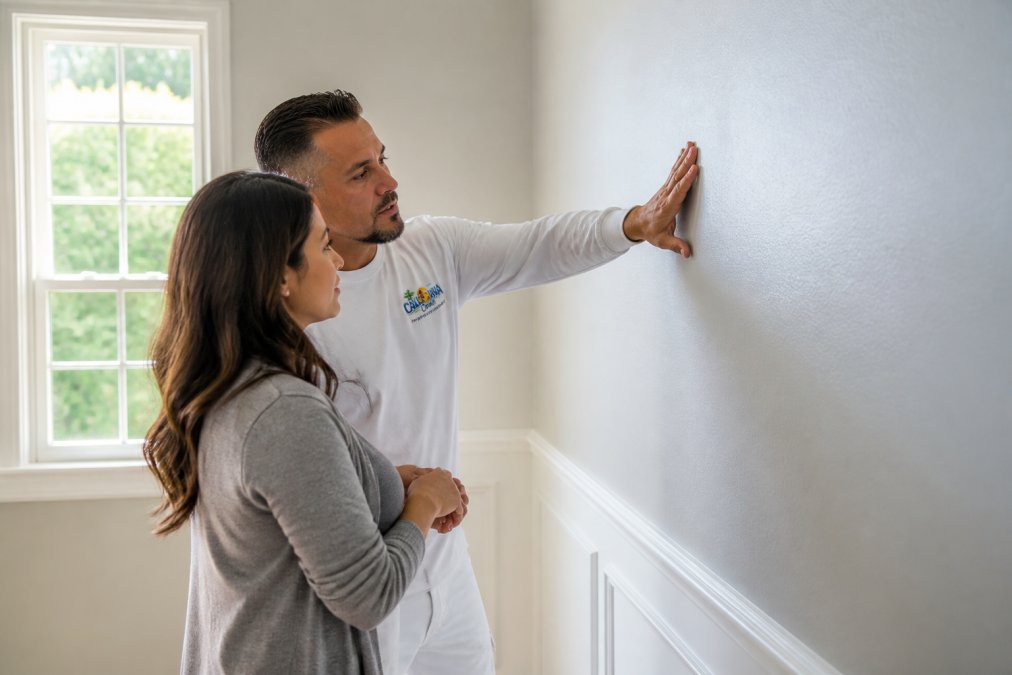
Beyond references, ask to see photos of completed projects. A professional contractor will have a portfolio ready. Look for consistency in finish quality, edge work, and color uniformity. Ask if you can visit a completed project in person to see the work firsthand. Most contractors will arrange this, if they refuse, that's a warning sign.
Check online reviews on Google, Yelp, and the Better Business Bureau. Look for patterns in feedback rather than focusing on individual reviews. One negative review might be an outlier, but multiple complaints about the same issue, missed deadlines, poor cleanup, paint peeling, reveal a real problem. Conversely, consistent five-star reviews with specific praise for professionalism and attention to detail suggest a reliable contractor.
Understand the Painting Contractor Contract Template and Red Flags
Before work starts, you need a written contract. This isn't just formality, it's your legal protection and the contractor's. A solid contract specifies exactly what work will be done, when, for how much, and under what conditions.
Budget Expectations: Average Cost to Paint a House Interior
Interior painting costs depend on several factors: square footage, number of rooms, surface condition, paint quality, and regional labor rates. Rather than quote specific prices that vary widely by location and project scope, understand the cost drivers so you can evaluate bids intelligently.
Final Inspection and Post-Project Quality Control
Before you pay the final invoice, conduct a thorough inspection. Walk through every room with the contractor present. Look for consistent color, even coverage, clean edges, and no paint drips or splatters on trim, fixtures, or flooring. Check that painter's tape was removed cleanly without peeling paint. Inspect corners and edges where walls meet ceilings, these areas often reveal careless work.
Frequently Asked Questions
What licenses should a professional painting contractor have?
A professional painting contractor should carry a valid state contractor's license, general liability insurance, and workers' compensation insurance. Licensing requirements vary by state, but most require contractors to pass exams and maintain bonding. Always verify these credentials with your state's licensing board before hiring. A licensed contractor protects you from liability if accidents occur on your property.
How do I verify a painting contractor's insurance coverage?
Ask the contractor for proof of general liability insurance and workers' compensation coverage. Request their insurance agent's contact information and verify the policy is active and current. General liability insurance protects you if the contractor damages your home, while workers' compensation covers injuries to their employees. Never hire a contractor without both types of insurance, you could be liable for injuries otherwise.
What questions should I ask a painting contractor?
Ask about their experience with interior or exterior projects, how long they've been in business, whether they handle surface preparation and primer application, what paint brands they use, their warranty coverage, how they handle change orders, their payment schedule, and when they can start. Also ask how they protect your property during the project and what cleanup includes. These questions reveal whether they're detail-oriented and professional.
Is it better to paint myself or hire a professional painter?
Professional painters can complete projects faster and handle surface preparation properly, a critical step for lasting results. DIY painting can sometimes lead to uneven coverage or drips. If you lack experience, hiring a professional can help avoid costly mistakes.
How much does interior house painting cost?
Interior painting costs depend on square footage, surface condition, paint quality, and regional labor rates. Factors include whether walls need repairs, primer application, or multiple coats. Get written estimates from multiple contractors to compare. Contact California Crews / Painting & Fencing Modesto for a free quote tailored to your specific project and home size.
What should I look for in a painting contractor's warranty?
A reputable painting contractor should offer warranty coverage on labor and materials. The warranty should cover peeling, cracking, and fading. Ask what the warranty does not cover, exposure to extreme weather or improper maintenance may void it. A strong warranty signals confidence in their work quality and gives you recourse if problems arise.