 comparison
Interior vs Exterior Painting Contractor: Key Differences
Table of Contents
- What Separates an Interior from an Exterior Painting Contractor
- Interior vs Exterior Paint Durability: What Actually Differs
- Why Exterior Painting Contractor Work Costs More
- How Long Does Exterior Painting Take Compared to Interior Work
- Skillset, Certifications, and Trade Differences Worth Knowing
- ROI and Property Value: Which Painting Project Pays Off More
- Questions to Ask a Painting Contractor Before You Hire
- Conclusion
Last Updated: August 23, 2026
What Separates an Interior from an Exterior Painting Contractor
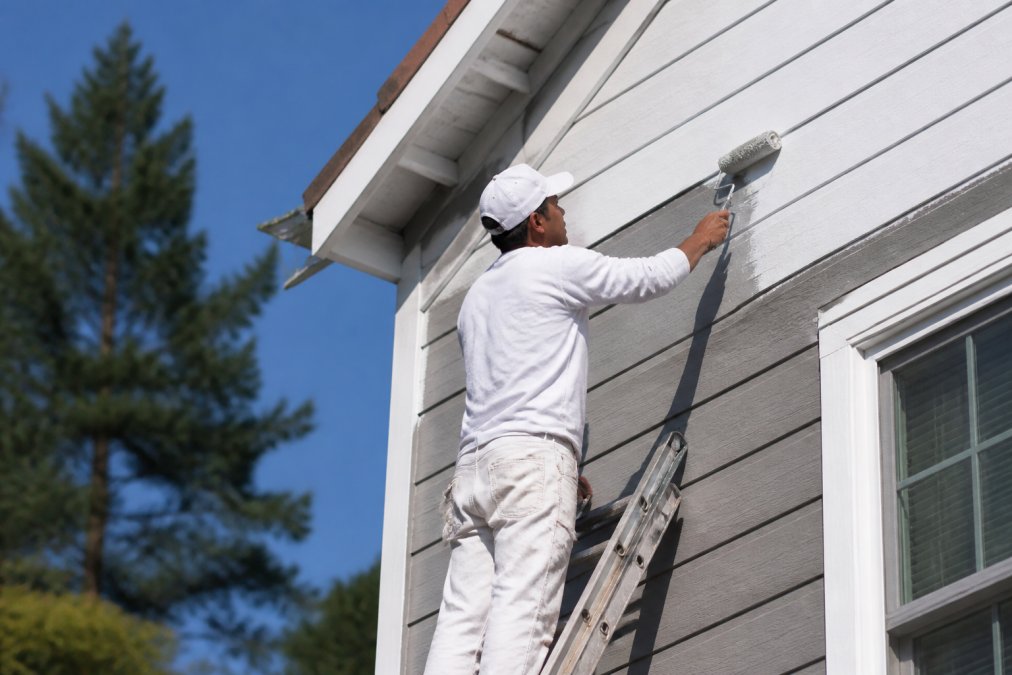
An exterior painting contractor specializes in materials, equipment, and scheduling demands that differ fundamentally from indoor painting work. Understanding these differences before hiring can save you a costly redo. At California Crews / Painting & Fencing Modesto, we work across both disciplines and see firsthand where the real distinctions lie.
The most fundamental difference starts with paint formulation itself.
Paint Formulation: Resins, Binders, and VOC Levels
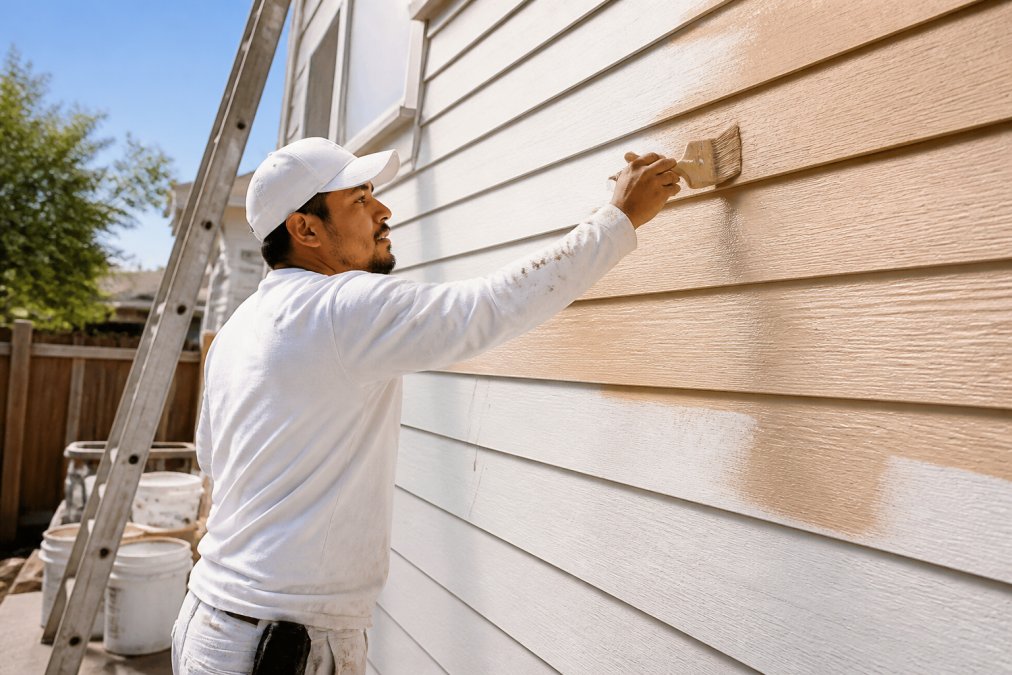
Interior and exterior paints share pigments and water as a carrier, but their resins and binders are engineered for entirely different environments. Exterior paints use flexible resins, typically acrylic or elastomeric, that expand and contract with temperature fluctuations without cracking. Interior paints use harder, more rigid binders that resist scuffing and clean easily. Apply an interior formulation outdoors and it will chalk, blister, and peel within a season.
VOC content matters for both health and compliance. According to EPA guidance on volatile organic compounds in paints and coatings, many exterior coatings carry higher VOC concentrations because those compounds improve weather resistance and adhesion. Interior products have trended toward low- and zero-VOC formulations because occupied spaces require better air quality.
A contractor who truly specializes knows which product line, sheen level, and mil thickness is appropriate for a given substrate before the estimate is written.
Surface Preparation and Substrate Requirements
Surface preparation is where labor hours stack up and shortcuts become visible within a year. Exterior substrates require power washing to remove dirt, mildew, and chalking from previous coatings, followed by adequate dry time before primer application. Caulking gaps around trim, windows, and penetrations is non-negotiable outdoors, any breach lets moisture in, the primary driver of blistering and peeling.
Interior prep is more straightforward: patching holes, sanding surfaces smooth, and applying primer where needed. The substrate itself changes the approach. Bare wood needs different primer than previously painted surfaces. Masonry is porous and may need a block filler before topcoat. A contractor who treats all surfaces the same is cutting corners.
Interior vs Exterior Paint Durability: What Actually Differs
Durability means different things depending on which side of the wall you're painting, and failure modes are completely different.
Scrubbability and Scuff Resistance Indoors
Interior paint durability is measured by how well a finish survives daily contact: chair backs, handprints, pets, kids, and cleaning products. Scrubbability, the ability to wipe down a surface without removing the finish, is the key performance metric indoors.
Higher-sheen finishes like satin and semi-gloss offer better scuff resistance and are easier to clean than flat finishes. Flat finishes hide imperfections well but sacrifice cleanability. A knowledgeable interior painter will walk you through that trade-off rather than defaulting to one product for every room.
Weather Resistance, UV Protection, and Outdoor Failure Modes
Exterior paint durability fights UV radiation, moisture cycling, biological growth like mildew, and the mechanical stress of seasonal temperature swings. UV protection is built into quality exterior coatings through titanium dioxide pigments and UV-absorbing additives. Without adequate UV protection, pigments fade and the binder degrades, leading to chalking, a powdery surface residue that appears when resin breaks down.
According to Paint Quality Institute guidance on exterior paint performance, a properly applied exterior coating on a well-prepared surface should last eight to ten years before requiring recoating. Skipping prep or using an interior product outside cuts that lifespan dramatically.
Why Exterior Painting Contractor Work Costs More
Exterior projects consistently cost more than comparable interior work because of real differences in labor intensity, equipment requirements, and compressed scheduling windows.
Equipment, Tools, and Project Complexity
Interior painting requires brushes, rollers, and a basic extension pole for most residential projects. Exterior work demands multi-story scaffolding or extension ladders, airless sprayers for large surfaces, power washing equipment, caulking guns, and specialized masonry brushes. Project complexity also scales outdoors: a two-story Victorian with ornate trim requires different crew size and skill than a ranch-style home with simple lap siding.
Seasonal Scheduling and Weather Windows
Exterior painting is weather-dependent in ways interior work is not. Most exterior coatings require application temperatures between 50°F and 90°F, with low humidity and no rain for at least 24 hours after application. The curing process is longer than dry time: surfaces may feel dry in hours but require weeks to fully cure.
This creates real scheduling constraints. Spring and fall offer the most reliable weather windows in most regions. A competent exterior painting contractor builds weather monitoring into project management and communicates proactively when conditions require schedule shifts.
How Long Does Exterior Painting Take Compared to Interior Work
A typical single-story home exterior requires two to four days for a professional crew, accounting for power washing, dry time, primer, and two topcoats. A two-story home can easily run five to seven days depending on complexity and crew size.
Interior projects move faster because there's no weather dependency, no power washing, and surfaces are more accessible. A full interior repaint of a 2,000-square-foot home typically runs three to five days for a professional crew.
Exterior crews often work in sections to manage the sun's position and temperature across the day. Painting west-facing surfaces in direct afternoon sun causes paint to skin over too quickly, trapping solvents and leading to adhesion failures.
| Project Type | Typical Duration | Key Delay Factors |
|---|---|---|
| Single-story exterior | 2-4 days | Weather windows, dry time, prep condition |
| Two-story exterior | 5-7 days | Scaffolding setup, surface complexity |
| Full interior repaint | 3-5 days | Number of rooms, trim detail, furniture moving |
| Single-room interior | 1-2 days | Surface prep, sheen transitions |
Skillset, Certifications, and Trade Differences Worth Knowing
The painting trade does not have a single national licensing standard in the United States. What matters practically is lead paint certification. Homes built before 1978 may contain lead-based paint, and any contractor disturbing that surface must follow the EPA's Renovation, Repair and Painting rule. According to EPA's Lead Renovation, Repair and Painting Program requirements, contractors must be certified and follow specific work practices to minimize lead dust exposure.
Exterior contractors need comfort working at height, proficiency with airless sprayer calibration, and the ability to read weather conditions. Interior contractors need a finer touch for trim work, ceiling cuts, and color transitions. A contractor excellent at interior work may not be competent outdoors, or vice versa.
ROI and Property Value: Which Painting Project Pays Off More
Both interior and exterior painting deliver strong returns, but they serve different purposes. Exterior painting is a curb appeal investment, one of the highest-visibility improvements before listing a property. Real estate professionals rank exterior condition among the first things buyers notice, and a faded or peeling exterior signals deferred maintenance that buyers price into offers.
Interior painting makes a home feel clean, updated, and move-in ready, reducing time on market. For ongoing property maintenance, exterior painting is the higher-stakes investment. Allowing exterior paint to fail exposes the substrate beneath, leading to wood rot, moisture intrusion, and repair costs that dwarf timely repainting.
Questions to Ask a Painting Contractor Before You Hire
The questions you ask before signing a contract matter more than those asked after a problem surfaces.
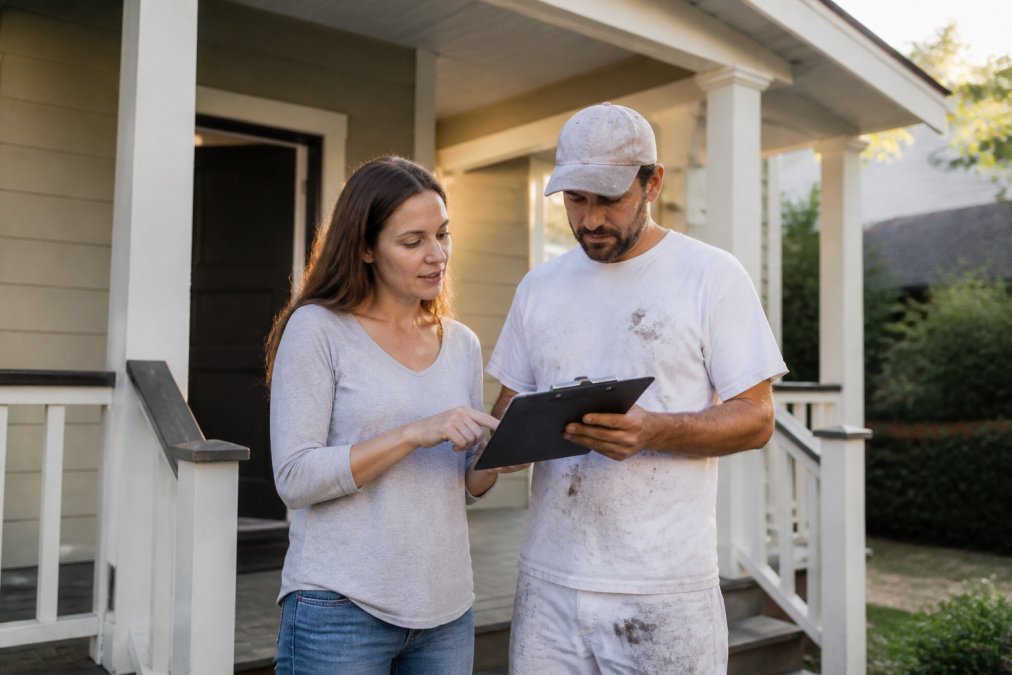
- What does your surface preparation process include? Listen for specifics: power washing, caulking, sanding, primer application. Vague answers are a red flag.
- What products will you use, and can I see the spec sheets? A confident contractor will show you product data without hesitation.
- How do you handle weather delays on exterior projects? You want a clear communication protocol.
- Are you certified for lead-safe work practices? Required for pre-1978 homes.
- What does your cleanup process look like? Ask specifically about paint chips, drop cloth management, and end-of-day site condition.
- Is your quote fixed, or can it change? Understand what triggers change orders before work starts.
- Can you provide references from similar projects? Request exterior references for exterior work, interior for interior.
A contractor who answers these questions directly is almost always a better choice than one offering a lower number but getting evasive when pressed.
Conclusion
Choosing between an interior and exterior painting contractor is not just about which rooms need paint. The surface preparation demands, equipment requirements, paint formulations, and scheduling complexity are genuinely different disciplines. Your contractor should have demonstrated experience in the specific type of work you need. California Crews / Painting & Fencing Modesto handles both interior and exterior painting projects, bringing the same attention to surface prep, material selection, and project communication to every job. Get a quote from California Crews / Painting & Fencing Modesto and start your project with a contractor who will give you straight answers before the first brush stroke.
Frequently Asked Questions
Can the same contractor handle both interior and exterior painting projects?
Yes, many experienced painting contractors handle both interior and exterior work. The key is asking directly how much of their workload each type represents. A contractor who does both regularly will understand the formulation differences between interior and exterior paint, own the right equipment for each, and know how to schedule around weather for outdoor jobs. Confirm they have completed projects of both types recently before signing any agreement.
What is the main difference between interior and exterior paint?
Interior and exterior paints use different resins and additives suited to their environments. Exterior formulations include UV inhibitors, mildew-resistant agents, and flexible binders that handle temperature fluctuations without peeling or blistering. Interior paints prioritize low VOC levels, scrubbability, and scuff resistance for high-traffic rooms. Using interior paint outdoors causes rapid fading and chalking; using exterior paint indoors raises indoor air quality concerns due to higher VOC content.
Should I hire a general painting contractor or a specialist for my project?
For most residential projects, a contractor experienced in both interior and exterior painting is the practical choice. True specialization matters most on large commercial jobs or complex historic restorations. For a home repaint, confirm the contractor has recent examples of the specific work you need, carries proper licensing and insurance, and can detail their surface preparation process. A contractor who does both types regularly will give you more scheduling flexibility than one who only works outdoors.
Does exterior painting require different equipment than interior painting?
Exterior painting typically requires airless sprayers for large surface coverage, extension ladders or scaffolding for two-story homes, and power washing equipment for surface preparation. Interior painting relies more on brush-and-roll techniques, smaller sprayers for ceilings, and drop cloths for floor protection. Exterior jobs may also need caulking guns, sanding tools, and primer application equipment suited to wood, stucco, or masonry substrates. Contractors who work both types maintain a broader equipment inventory.
This article was written using GrandRanker
Frequently Asked Questions
Can the same contractor handle both interior and exterior painting projects?
Yes, many experienced painting contractors handle both interior and exterior work. The key is asking directly how much of their workload each type represents. A contractor who does both regularly will understand the formulation differences between interior and exterior paint, own the right equipment for each, and know how to schedule around weather for outdoor jobs. Confirm they have completed projects of both types recently before signing any agreement.
What is the main difference between interior and exterior paint?
Interior and exterior paints use different resins and additives suited to their environments. Exterior formulations include UV inhibitors, mildew-resistant agents, and flexible binders that handle temperature fluctuations without peeling or blistering. Interior paints prioritize low VOC levels, scrubbability, and scuff resistance for high-traffic rooms. Using interior paint outdoors causes rapid fading and chalking; using exterior paint indoors raises indoor air quality concerns due to higher VOC content.
Should I hire a general painting contractor or a specialist for my project?
For most residential projects, a contractor experienced in both interior and exterior painting is the practical choice. True specialization matters most on large commercial jobs or complex historic restorations. For a home repaint, confirm the contractor has recent examples of the specific work you need, carries proper licensing and insurance, and can detail their surface preparation process. A contractor who does both types regularly will give you more scheduling flexibility than one who only works outdoors.
Does exterior painting require different equipment than interior painting?
Exterior painting typically requires airless sprayers for large surface coverage, extension ladders or scaffolding for two-story homes, and power washing equipment for surface preparation. Interior painting relies more on brush-and-roll techniques, smaller sprayers for ceilings, and drop cloths for floor protection. Exterior jobs may also need caulking guns, sanding tools, and primer application equipment suited to wood, stucco, or masonry substrates. Contractors who work both types maintain a broader equipment inventory.